Comparative Effectiveness of Cervical vs Thoracic Spinal-Thrust Manipulation for Cervicogenic Headache: Evidence-Based Insights
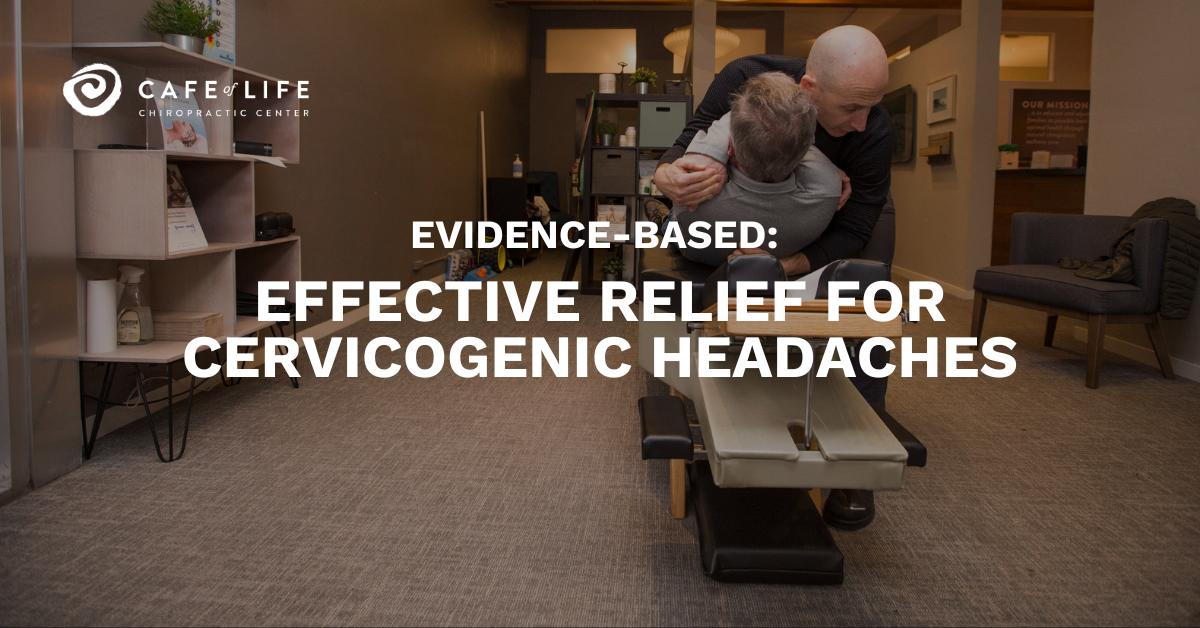
- posted: Jan. 05, 2026
Cervicogenic headaches — headaches that originate from dysfunction in the neck — are often persistent and can significantly affect daily life. While medication and conventional physiotherapy are commonly used, research indicates that targeted, non-pharmacological approaches can be highly effective for achieving long-term relief and improving quality of life.
A 2024 randomized controlled trial compared three approaches for managing cervicogenic headaches (CgH): cervical spine manipulation (CSM), thoracic spine manipulation (TSM), and conventional physiotherapy (CPT). The study aimed to determine which intervention offered the most significant improvements in headache frequency, intensity, and overall neck function.
Key Findings from the Study
Cervical Spine Manipulation (CSM):
Showed the greatest reduction in headache frequency and intensity
Significantly decreased neck pain and disability
Improved overall quality-of-life measures
Effects were faster and more sustained, lasting up to six months
Thoracic Spine Manipulation (TSM) and Conventional Physiotherapy (CPT):
Provided some improvement, but less than CSM in all key outcomes
Did not achieve the same level of sustained relief
Takeaway:
Targeting the cervical spine directly is the most effective non-pharmacological approach for managing cervicogenic headaches. Manual therapy focused on the neck not only reduces pain but also supports long-term function and overall well-being.
Why This Matters
At Cafe of Life Marin, we emphasize evidence-informed care that addresses the root cause of dysfunction, rather than just masking symptoms. By restoring proper motion in the cervical spine, reducing mechanical stress, and supporting nervous system communication, our patients often experience meaningful improvements — not just in pain, but in confidence and daily function.
Cervicogenic headaches can interfere with work, sleep, and lifestyle. This research reinforces that targeted chiropractic care can be an effective, non-invasive solution for those seeking long-term relief.
Our Approach
We combine research-backed techniques with personalized care strategies to help the body move, adapt, and heal efficiently. Our goal is to support nervous system function and restore the body’s natural capacity to manage pain, improve movement, and enhance quality of life — without relying on long-term medication whenever possible.
For those interested in exploring this study in detail, you can view the full research findings in the published trial.

Location
Find us on the map
